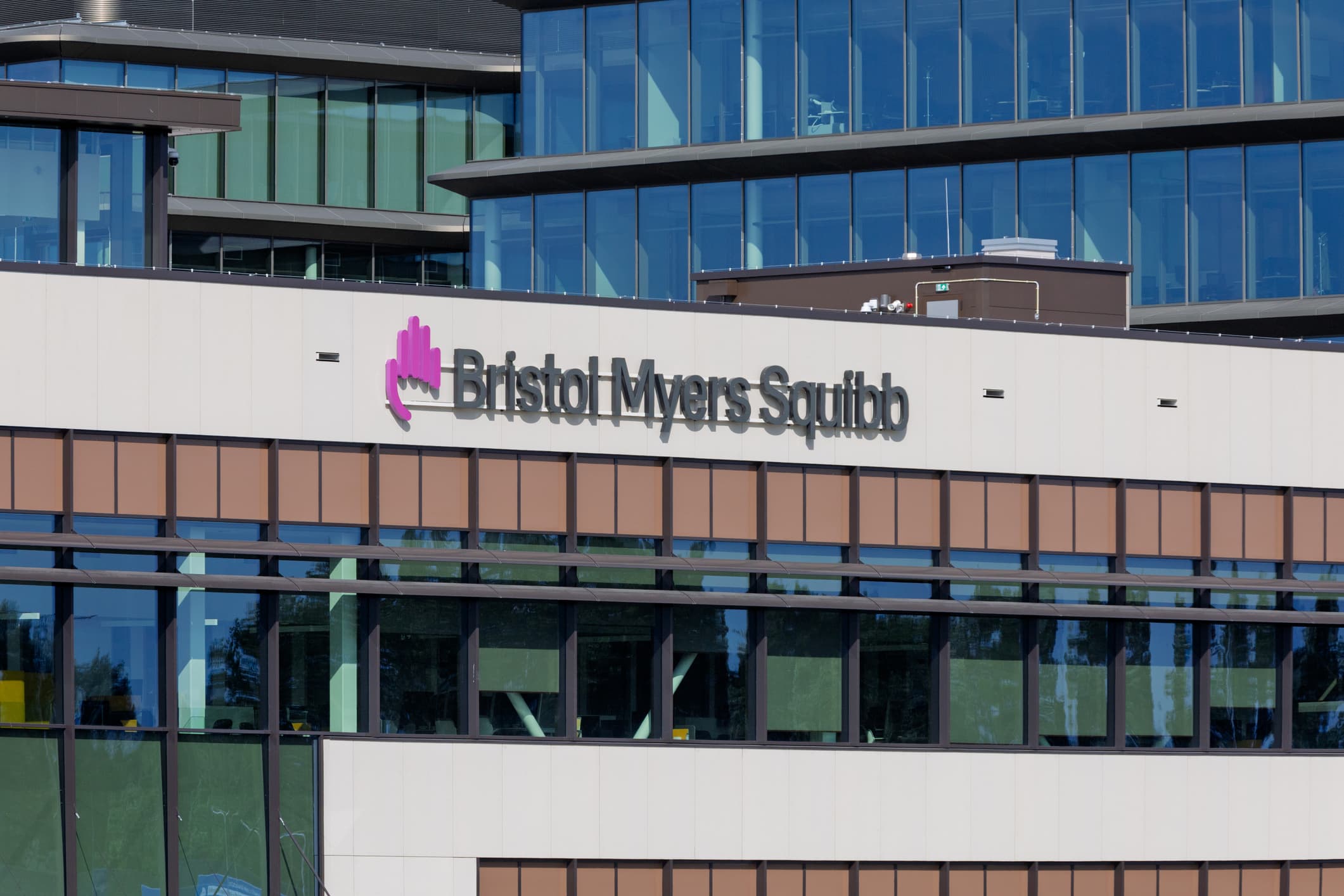
Bristol Myers Squibb and Microsoft will partner for medical advancements in lung cancer.
An agreement was signed that will allow biopharmaceutical company Bristol Myers Squibb to benefit from Microsoft’s AI-enabled radiology platform that can detect lung cancer in its early stages, Reuters reports. The drugmaker markets itself as a global leader in addressing complex diseases such as cancer and HIV, per its website.
This agreement between the two will open doors for the deployment of radiology AI algorithms via Microsoft’s Precision Imaging Network — tools that have been cleared by the U.S. Food and Drug Administration, according to a press release. The network can analyze X-ray and CT images, which is helpful in detecting lung nodules sometimes difficult to recognize, the release added.
The technology would also contribute to the improvement of radiologists’ workflows and be used by the majority of U.S. hospitals, per the release.
“By combining Microsoft’s highly scalable radiology solutions with Bristol’s deep expertise in oncology and drug delivery, we have envisioned a unique AI-enabled workflow that helps clinicians quickly and accurately identify patients with non-small cell lung cancer and guide them to optimal care pathways and precision therapies,” Alexandra Goncalves, Bristol Myers Squibb’s vice president and head of digital health, said in the press release.
Lung cancer leads to nearly 125,000 deaths and 227,000 new cases yearly, Bristol Myers Squibb shared. Additionally the mortality rates are disproportionately higher among medically underserved populations, who are also less likely to receive appropriate screening, the press release stated. It further added that the partnership’s main objective is to target underserved areas, including rural hospitals and community clinics, to ensure they have the resources to provide care sooner.
“This new Microsoft collaboration reflects our commitment to breaking down barriers and addressing healthcare challenges,” Andrew Whitehead, VP and head of population health at Bristol Myers Squibb, said in the release. “At BMS, health equity is not a standalone initiative—it is embedded in everything we do. By deploying this solution and bringing advanced AI tools to the front lines, together we will help to address health disparities in lung cancer.”
Reuters also reported in early January that drugmaker AstraZeneca has agreed to purchase Modella AI, a company with “foundation models” and AI agents that would be used in oncology research and development to discover new drugs.