All results

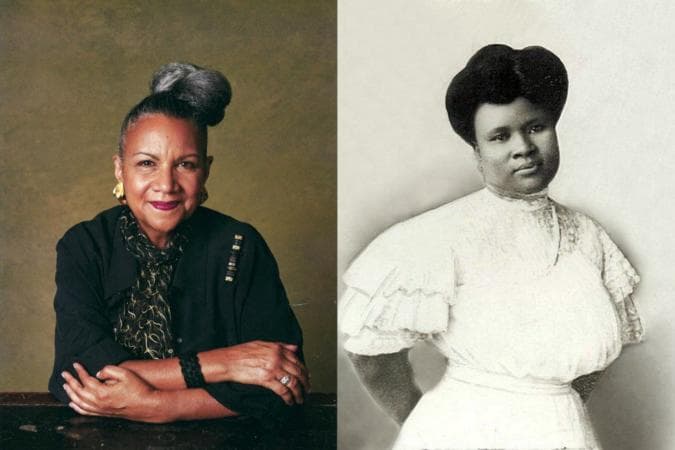
We are overcoming decades of erasure of who we really are in telling our history. As the descendant of two pioneers in Black history, A’Lelia Bundles says that she is honored to be the one to share the history of her great-great-grandmother Madam C.J. Walker. “She is one of literally thousands of amazing people whose stories we need to hear,” said Bundles of her great-great-grandmother, Madam C.J. Walker — the first Black woman to become a millionaire in America. For years the history books in school have led people to believe that Madam C.J. Walker invented the hot comb. However, thanks to women like Bundles who are committed to sharing the facts, we learn that her story was much much more. Photo Credit: Courtesy of A’Lelia Bundles “By the time that she died at 51-years-old, she was a millionaire who had become a pioneer of the modern hair care industry, employed thousands of women, and used her money and influence as a philanthropist, a patron of the arts, and a political...
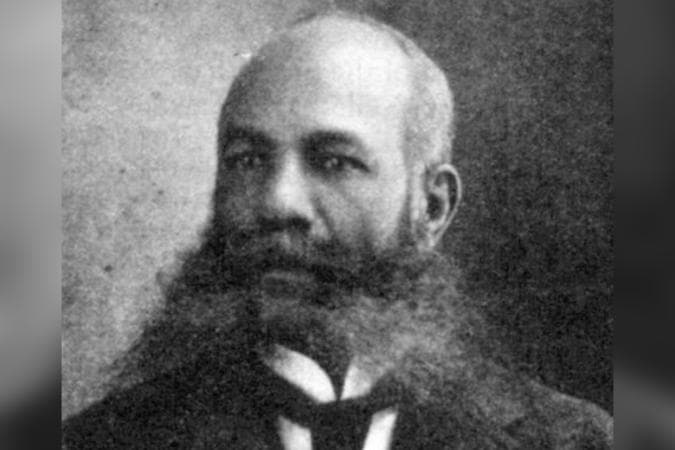
Initially, elevators were manual. The doors had to be opened and closed by passengers or elevator operators, a feature that came with a number of associated safety risks. The elevators we use today have automatic doors thanks to Alexander Miles, an African American inventor who received a patent for his invention in 1887, according to BlackPast. Alexander Miles was born in 1838 in Duluth, Minnesota. Before his work on elevator door mechanisms, Alexander Miles found success as a barber and real estate developer. With a $500,000 net worth, he was recognized as the wealthiest Black man in Minnesota in the local Minneapolis paper Star Tribune — opening a real estate office, building a brownstone, formulating hair products, and becoming the first Black member of Duluth Chamber of Commerce. The ups and downs of business is what led to Alexander Miles’ most notable accomplishment. Inspired by an elevator ride with his daughter in which the doors remained open as the car traveled through...
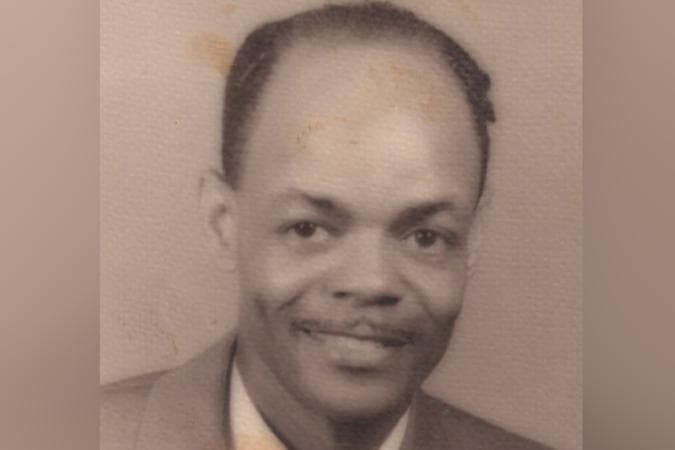
Many people in medtech credit inventor Earl E. Bakken as the creator of pacemakers and cardiac rhythm devices, but without the technology innovated by American inventor Otis Boykin those inventions would fail to exist today. Otis Frank Boykin, a Dallas native and electronic inventor, is the individual responsible for inventing the wire precision resistor — a type of technology that “enabled manufacturers to accurately designate a value of resistance for an individual piece of wire in electronic equipment,” Black Past reports. Before pursuing a life-long career as an inventor, Boykin attended Fisk University in Nashville, Tennessee where he graduated from in 1941, Black Inventor notes. He later took a job as a laboratory assistant with the Majestic Radio and TV Corporation in Chicago, Illinois and left shortly after to start his own company, Boykin-Fruth Inc. At the same time, he also decided to go back to school and pursue his graduate studies at the Illinois Institute of...
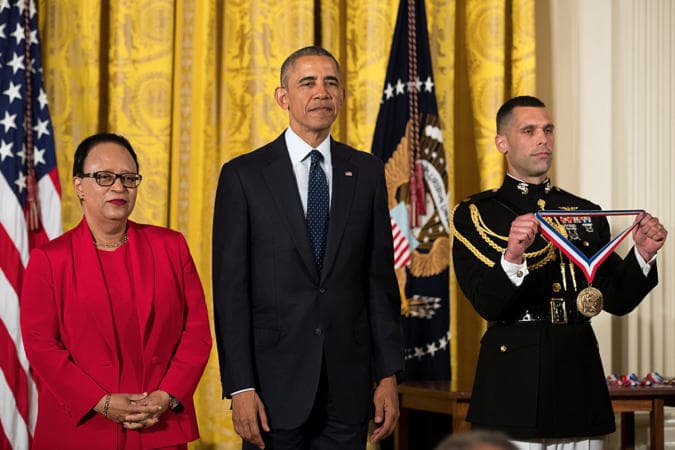
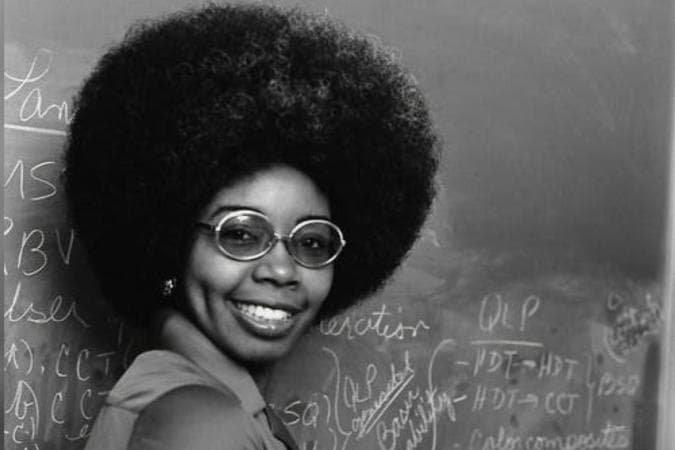
There are many Black women in STEM who are not often recognized for their groundbreaking innovations, but Dr. Shirley Ann Jackson is one who spent a lifetime breaking glass ceilings for her community to change that notion. Born in Washington D.C. back in 1946, Dr. Jackson — known as a renowned physicist and university president — grew up spurring an interest in science as a child and her parents helped nurture that throughout her educational career, according to The History Makers. After attending accelerated math and science classes at Roosevelt High School and graduating as valedictorian, she went off to pursue a degree in Physics at Massachusetts Institute of Technology (MIT). She was among the first handful of Black students at MIT and became the first Black woman to receive her doctorate from the university. Her determination to break barriers and promote social justice motivated her to organize MIT’s Black Student Union, where she helped increase the number of Blacks students...
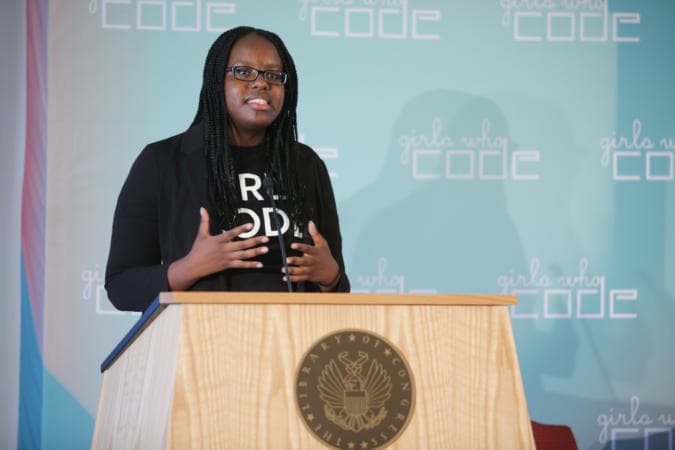
“I care a lot about preparing things for the future, but at the same time I honor those who’ve come before me and recognize the sacrifices that they made.” KaYesu Machayo, 21, didn’t necessarily set out to pursue a career in STEM, but attributes her interest in the field to those who paved the way like Katherine Johnson — the hidden figure responsible for not only putting an astronaut into orbit around Earth, but helping to put a man on the moon too. Machayo is a daughter of the generation that Johnson made leaps for. As a Girls Who Code, alum, Machayo has an interest in using technology not only for social good, but to also close the gender gap and create things that make the world a more equitable place. Girls Who Code is a national non-profit organization working to close the gender gap in technology by using their programs to educate, equip and inspire girls like Machayo with the computing skills they’ll need to pursue 21st-century opportunities. These are the opportunities that...
The son of two escaped slaves from Virginia, Lewis Howard Latimer was raised in Massachusetts. Latimer’s father was found by his owner and tried, though he was eventually allowed to purchase his freedom in Massachusetts. However, the outcome of the 1857 Dred Scott v. Sandford U.S. Supreme Court case, which held that slaves must be freed from the state in which they were enslaved to be free, caused the elder Latimer to fear for his safety. His father fled to protect his family, and Lewis Latimer and his family split up, with the male children living on a farm and his sisters staying with a family friend. At 16-years-old, Latimer joined the Navy for two years, and after receiving an honorable discharge, he went to work at a patent law firm, eventually becoming a draftsman. In 1873, Latimer married Mary Wilson Lewis; they later had two daughters. A year after his marriage Latimer, co-patented a new toilet system for railroad trains. Two years later, he was hired directly by Alexander...

Gaming is a billion-dollar industry (and counting) that often neglects or shuts out Black gamers. Though overlooked, Black developers, engineers, programmers, and gamers have skillfully contributed to the business. High-profile founders like Dennis Matthews and popular streaming gamers like Swagg continue to bring visibility to the Black gaming community, but before them, who laid the foundation? Let’s take a moment to salute the three Black pioneers who helped shape the modern gaming industry. Gerald “Jerry” Lawson As a kid, Queens, New York native Jerry Lawson nurtured his love for electronics. He repaired TVs as a teen and made walkie-talkies. He eventually became an engineer and designer at Fairchild Camera and Instrument Corp’s gaming division in the ’70s. There, Lawson led the team that invented the Fairchild Channel F (“F” is for fun), the first-ever video game console that allowed gamers to play several different games on one system via the first video game cartridge. It...

We have Mark Dean to thank for being the brains behind some of the key components that brought us early computers in the 1980s. “A lot of kids growing up today aren’t told that you can be whatever you want to be,” the computer engineer once said, according to sources. “There may be obstacles, but there are no limits.” View this post on Instagram A post shared by AfroTech (@afro.tech) And there were certainly no limits when it came to the achievements of Dean. Upon receiving his degree in electrical engineering from the University of Tennessee in 1979, he headed to IBM, according to Our Tennessee. In the midst of his work, Dean earned a master’s degree from Florida Atlantic University and a doctorate from Stanford University in 1992. He also made history as the first Black person to become an IBM Fellow — the company’s highest distinction. “I ignored the people attempting to block my progress and had no limits to who I talked to and in sharing my opinion,” Dean said in a previous...

Sarah Boone (1832-1904) was one of the first African American women patent holders and is recognized for the improvements she made to the ironing board in 1892. Boone is one of many Black inventors who encountered an inconvenience in their day to day lives and created a solution that in turn improved the quality of life and work for us today. In order to achieve such an accomplishment Sarah Boone had to overcome one important obstacle — learning to read. Sarah Boone was born and raised in North Carolina, during a time when it was still illegal for Black people to learn how to read. According to New Haven Independent, Boone was illiterate most of her adult life until she took lessons that enabled her to engineer and document information that led to her patent. She eventually settled in New Haven, Connecticut with her husband, a brick mason, and eight children. According to New Haven Independent, the Boones moved into a prosperous Black neighborhood along Dixwell Avenue. Boone made a...

If you’ve ever called out to Siri, Alexa, or Google and got a response from the device you were using, you’re talking to a microphone designed by Dr. James E. West and his colleague Gerhard Sessler. West is an inventor and professor who helped create the Electret Microphone, an invention that accounts for 90 percent of all microphones producing clear and crisp sound today, according to Biography.com. He was born on Feb. 10, 1931, in Farmville, VA. West received his bachelor’s degree from Temple University in 1957 and soon after graduating, was employed by Bell Laboratories. While working at Bell, he teamed up with fellow scientist, Gerhard Sessler and the duo created a device that eliminated the need for an external power source to convert sound into an electrical signal. By 1968, the electret microphone was the industry standard. West used the momentum from his professional success at Bell Labs to lead minority internship and hiring initiatives. According to U.S. News, he also...
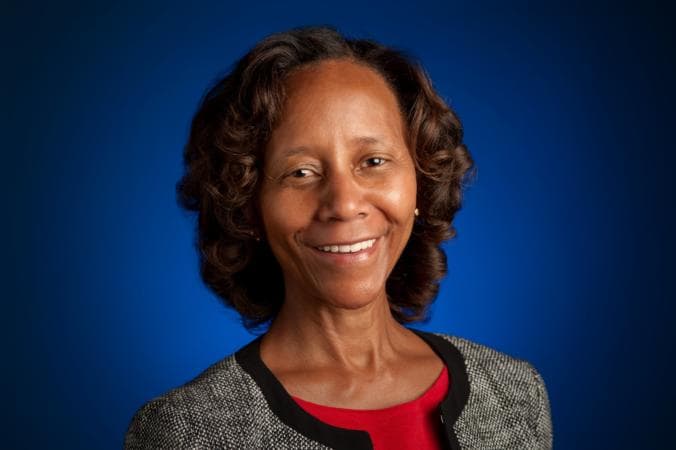
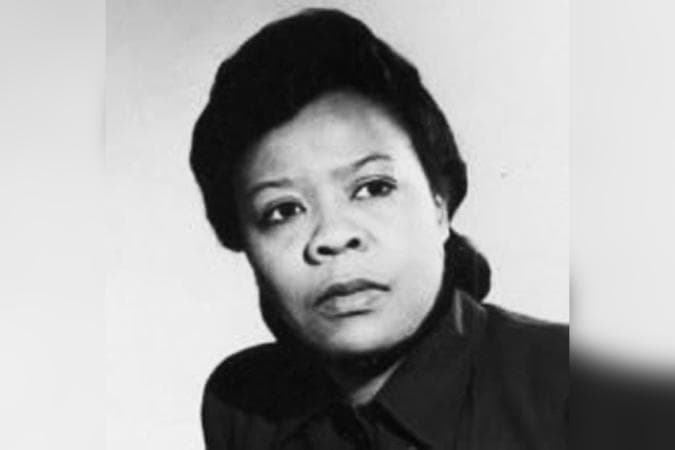
Black History Month is always a beautiful (albeit too short) celebration of Black excellence across the diaspora throughout the years. And let’s be honest, there’s a host of things that wouldn’t exist without Black women, including much of today’s modern-day entertainment. Black women, like Dr. Shirley Jackson, invented technologies that changed communication, and as a result, enhanced the way we are entertained, whether watching a basketball game on TV, streaming a movie on Hulu, or throwing a party via Zoom. Without further ado, tip your hat to these four Black women inventors who laid the groundwork for modern-day technology. Martha Jones Before we honor the women who are responsible for modern-day entertainment, we must salute Martha Jones from Amelia County, VA. According to the United States Patent and Trademark Office, Jones became the first Black woman to be granted a U.S. patent in May 1868. Although her invention, a cornhusker, is unrelated to entertainment, we can assume...