All results
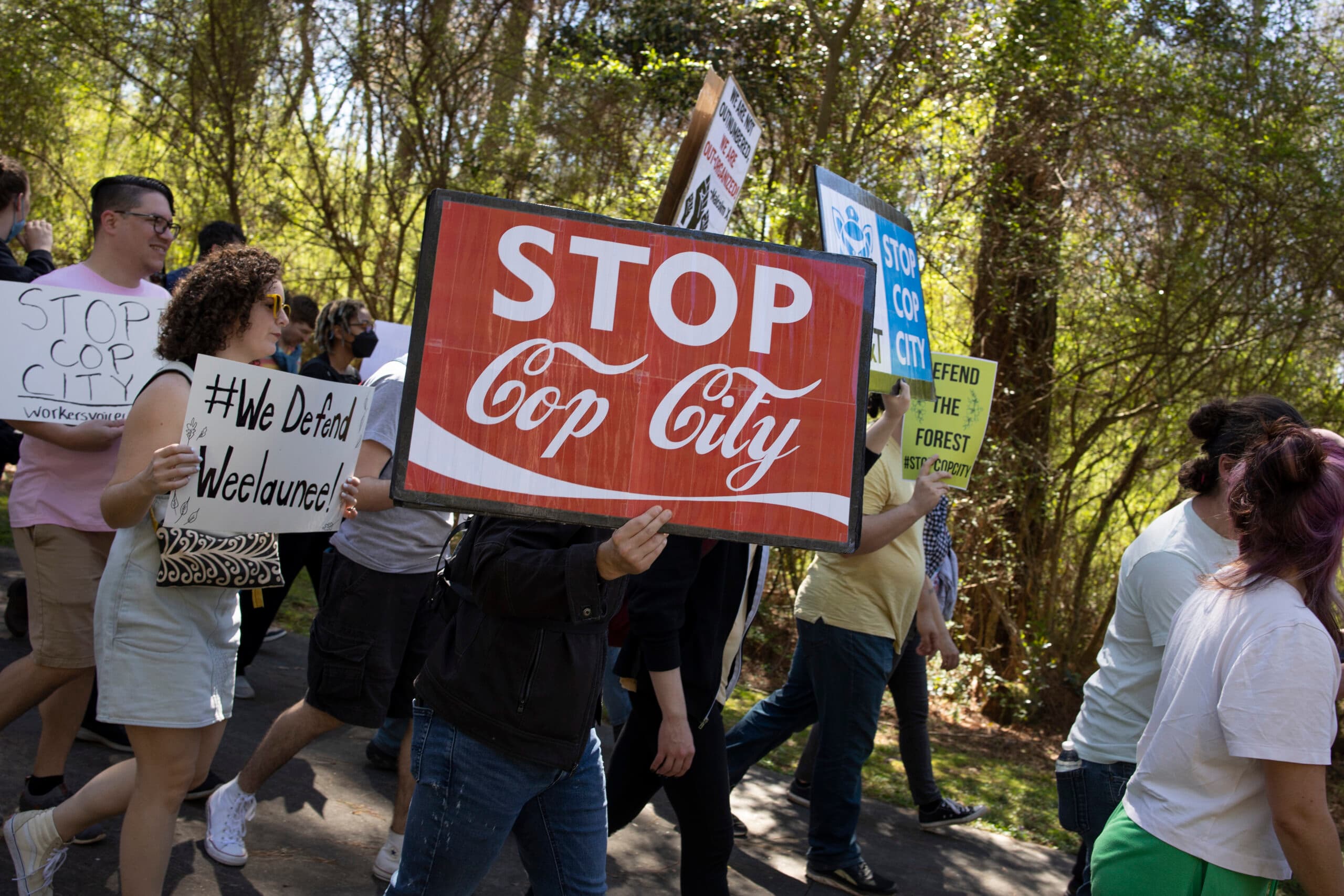





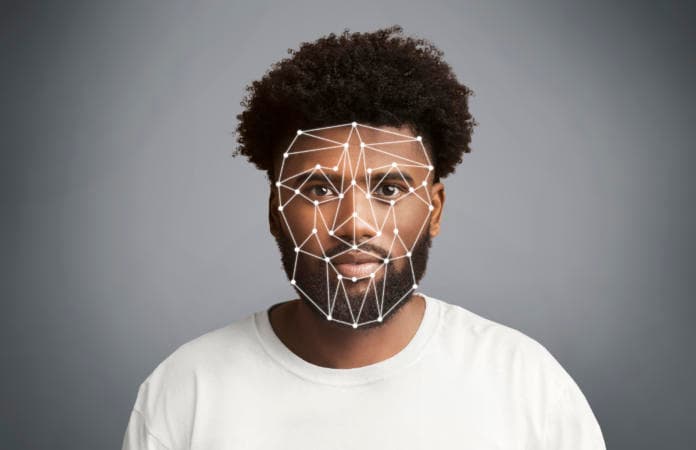
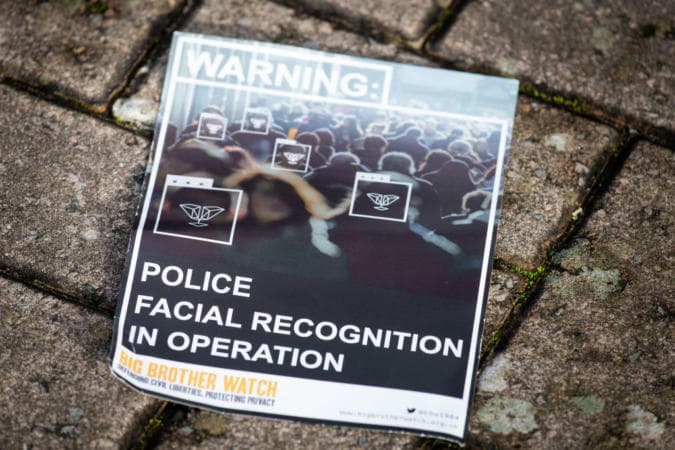
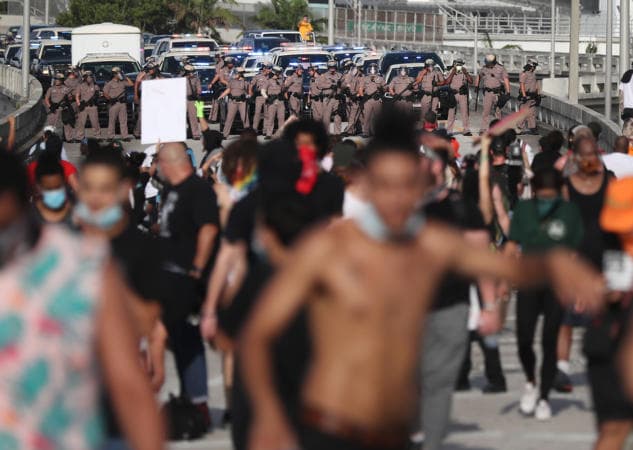
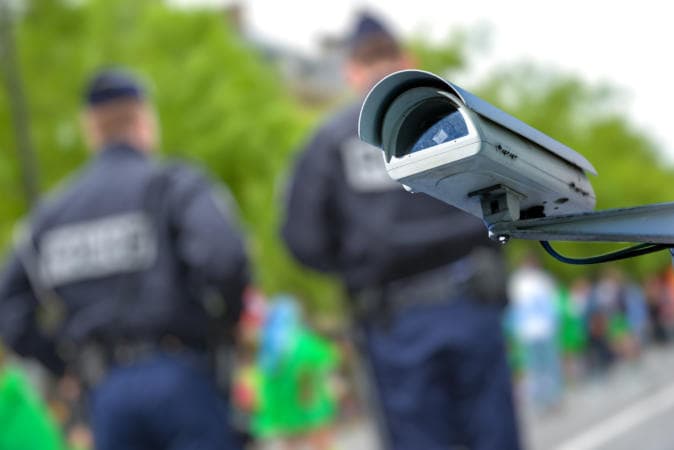
Facial recognition has been quietly unfolding across the United States for years. Now, increased public awareness has turned facial recognition into a hot political issue that may enter the presidential race. Earlier this month, Bernie Sanders became the first 2020 presidential candidate to call for a ban on police use of facial recognition technology. While some of the impacts of facial recognition cannot be reversed, its growing political significance may at least help communities of color escape some of its worst effects. Sanders’ position on facial recognition draws from bans that have occurred this year in San Francisco , Oakland, and Somerville, Massachusetts. In each city, activists focused on pointing out facial recognition’s potential for introducing widespread, mass surveillance of already vulnerable communities, like what may be occurring in the cities of Chicago and Detroit. A spokesperson for Sanders’ campaign told Recode: “Police use of facial recognition software is...
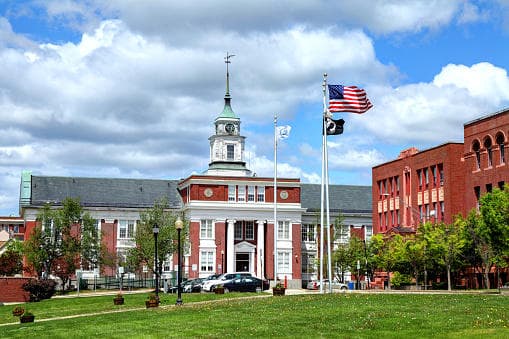
This article was originally published on 07/03/2019 In June, Somerville, Massachusetts became the second city in the United States to ban facial recognition technology . Originally introduced back in May , the “Face Surveillance Full Ban Ordinance” places a moratorium on government use of facial recognition and other “remote biometric surveillance systems,” until the state develops a framework for its use. “[T]he benefits of using facial surveillance, which are few and speculative, are greatly outweighed by its harms, which are substantial,” the bill says. The bill touches on concerns previously cited by advocates, comparing the broad application of face surveillance in public spaces to requiring everyone to carry around and display a photo I.D. at all times. Under the bill, any data collected through facial recognition would be considered “unlawfully obtained.” That means it can’t be used in trials and should be deleted immediately. In addition, if the banned technology is used on...
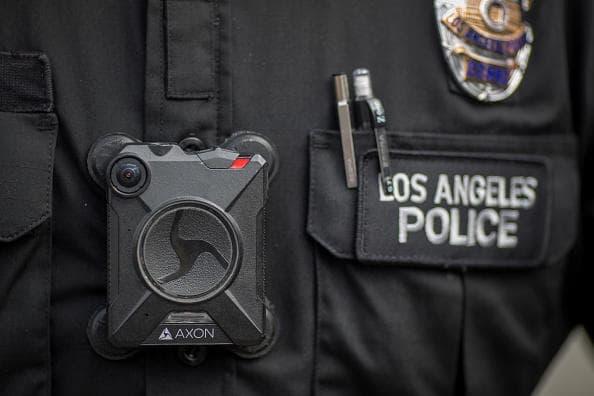
As awareness around facial recognition continues to grow, a primary concern has been its potential to open up new frameworks for mass surveillance. That concern grew even more pressing as people realized that facial recognition could potentially be used in body cameras, essentially creating roving, real-time surveillance systems on the chests of police. On Thursday, Axon — the company that created the Taser and supplies 47 out of the 69 largest police agencies in the United States with body cameras and software — announced a ban on the use of facial recognition on its devices . Although this can certainly be considered a temporary victory, Axon’s announcement must be carefully analyzed — both within social contexts, the words that the company used, and its own history. Axon’s decision comes from the first report of an AI and Policing Technology Ethics Board that the company originally formed in April of 2018. The board was developed to lead Axon in ethically developing products and...
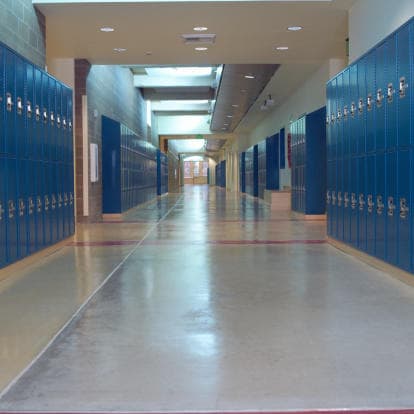
Facial recognition has been widely criticized for the risks it poses to vulnerable communities. The technology typically reinforces pre-existing social biases, as seen by its inability to read anyone who isn’t a white man . It also poses severe privacy risks. Facial recognition makes it easy for government agencies to develop continuous, mass surveillance of vulnerable communities. With all of these risks, it’s not a technology that most people would want to use on kids. Despite that, Lockport City School District in New York is trying to test a facial and object recognition system called “Aegis.” In September, the district used $1.4 million of the $4.2 million it received in funding through the Smart Schools Bond Act to install the system, Lockport Journal reported . Superintendent Michelle Bradley announced plans to begin testing the system on June 3. Bradley described the test as an “initial implementation phase.” That means the school wanted to test the system for any necessary...

Facial recognition has the potential to introduce continuous, mass surveillance throughout the United States. Vulnerable communities — including Black people, religious minorities, and other communities of color — are especially likely to be harmed by facial recognition’s deployment. Amazon is perhaps one of the most infamous participants in facial recognition software development. But on Wednesday, Amazon shareholders failed to pass two resolutions concerning the company’s facial recognition software, Rekognition. Although the proposals were non-binding — meaning Amazon could have rejected the vote’s results — passing them would have still sent a message. The first proposal was about stopping sales of Rekognition to the government, and the second demanded an independent review of the program’s civil and human rights impacts. Unfortunately, the vote doesn’t come as a huge surprise. As noted by TechCrunch , CEO Jeff Bezos retains 12 percent of the company’s stock. He also has the...