Social media, once a place for gathering and chatting with friends and family, has become another corporatized entity looking to sell you things.
From clothing hauls to tummy teas, social media is all about advertising. With the introduction of influencer marketing, companies no longer advertise in the same way they did several years ago with traditional commercials and photo ads.
Now, there is an army of influencers ready to sell reusable water bottles or skincare to consumers from the comfort of their living rooms, which isn’t much different than what you would see on QVC.
TikTok has increased advertising on the platform, introducing a shopping tab where consumers can purchase their favorite products, sometimes at a discounted price. However, paying influencers can be pricey for a company that is worried about its bottom line. Unfortunately, as more and more tech companies look to automate their workforce, the influencing industry may be the next victim of the AI craze.
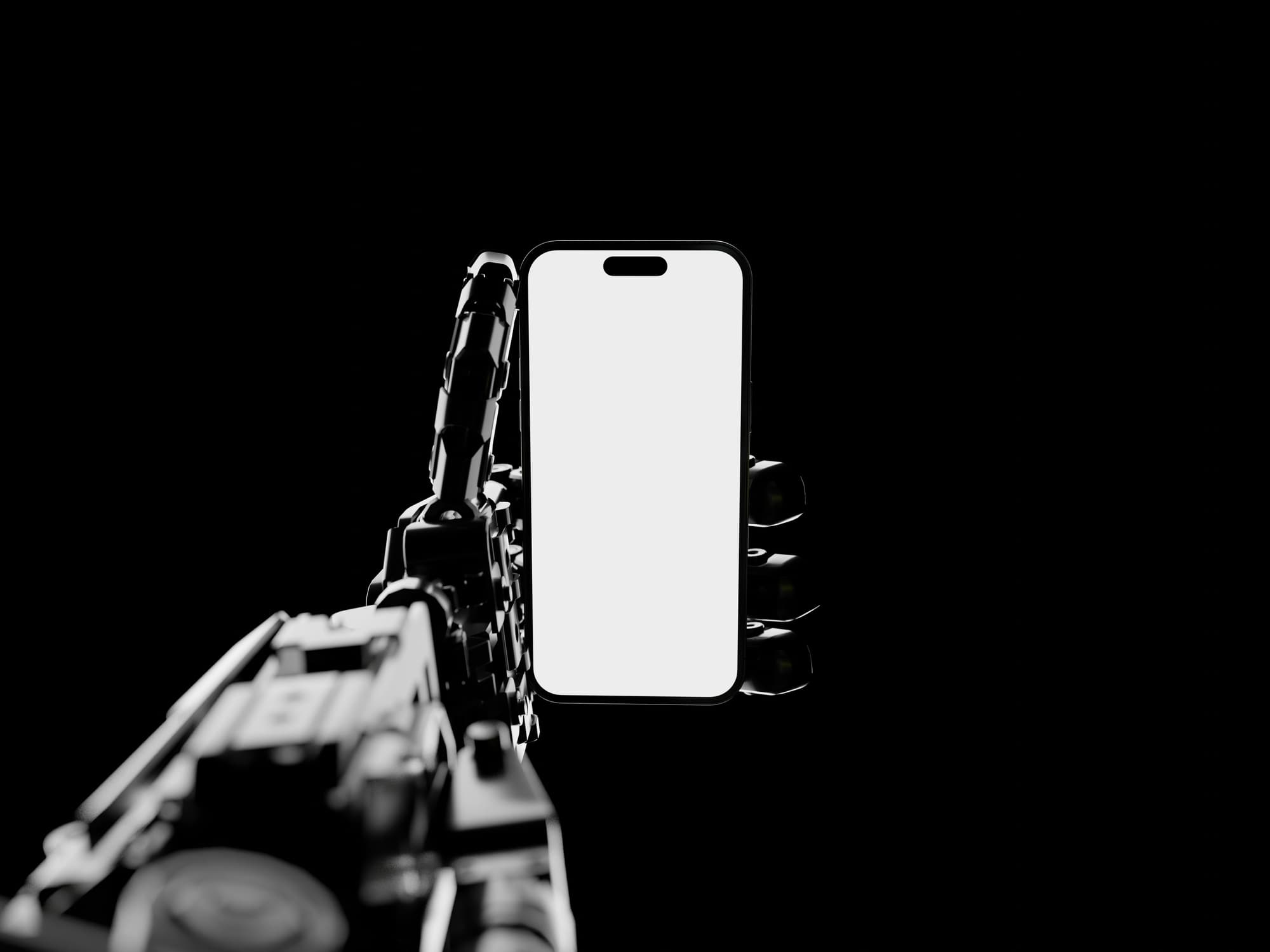
TikTok announced that it was adding new capabilities to its AI ads platform, Symphony, which launched in 2024, according to The Verge. While AI has become adept at generating images and videos, this new feature mimics the movements and sounds of what we’ve grown accustomed to from human influencers.
The program would enable advertisers to upload images and text prompts and generate videos featuring AI avatars holding products, modeling clothes, and showcasing the brand’s app on the screen.
AI characters aren’t new. Since 2016, AI-generated influencers and music artists have yielded lackluster results. Influencers are supposed to be social, as they engage directly with their followers and attend meet-and-greets. AI-generated influencers can respond to comments, but their followers understand that they aren’t engaging with a real person.
As AI technology continues to improve, it’s becoming increasingly difficult for consumers to distinguish between real influencers and AI-generated content. There have also been problems with AI generating images of Black people based on stereotypes, which is akin to digital Blackface and is inherently problematic, as white people create these images.
There is a lot to critique about influencer culture. Many influencers push products because of how much money they earn. While earning a substantial income is a major motivator, some influencers promote products that they genuinely believe in and genuinely endorse.
If influencers are revealed to be artificial intelligence, the level of trust between them and their followers will erode. While the influencer marketing system isn’t perfect, we shouldn’t completely abandon what works and implement artificial intelligence into marketing. AI is already confusing consumers and those who regularly engage with generative artificial intelligence chatbots like ChatGPT and Gemini.
A growing issue is that people are struggling to discern between what is real and what is fake. An influx of AI avatars could also lower rates for influencers who already struggle to get paid their worth, especially Black influencers.
The wage gap between Black influencers and their white counterparts has been a persistent topic of discussion. Black influencers are paid 35% less than white influencers, according to a 2021 MSL study. It especially feels like a betrayal, as TikTok, an app that millions have come to rely on for income, is promoting a feature that could potentially lower their earning.
Ultimately, this news comes at a time when the internet is devolving into slop, where we see AI-generated videos of talking animals or celebrities doing or saying ridiculous things. At first, AI was unpolished and somewhat weird, but with each passing day, the technology continues to improve. We can’t let businesses replace humans with AI to trick us.

