All results

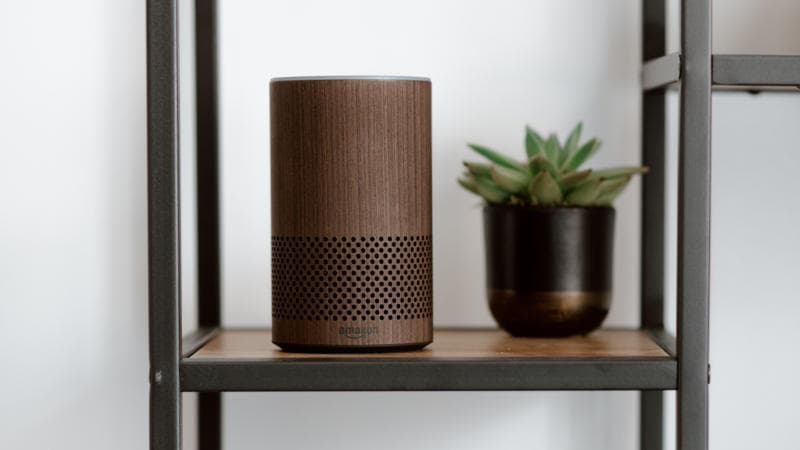

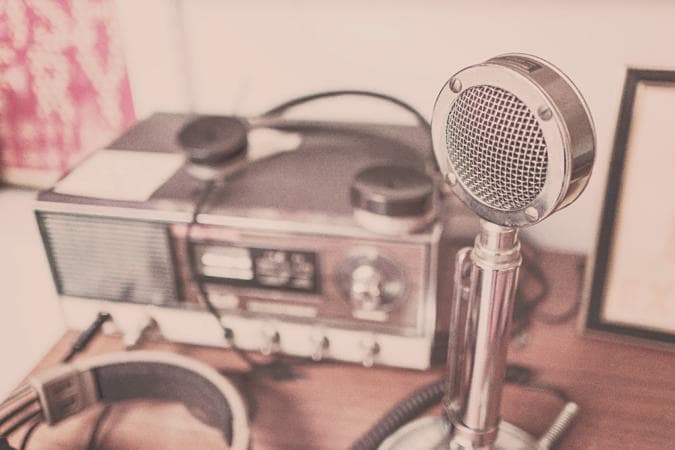
If you’ve ever called out to Siri, Alexa, or Google and got a response from the device you were using, you’re talking to a microphone designed by Dr. James E. West and his colleague Gerhard Sessler. West is an inventor and professor who helped create the Electret Microphone, an invention that accounts for 90 percent of all microphones producing clear and crisp sound today, according to Biography.com. He was born on Feb. 10, 1931, in Farmville, VA. West received his bachelor’s degree from Temple University in 1957 and soon after graduating, was employed by Bell Laboratories. While working at Bell, he teamed up with fellow scientist, Gerhard Sessler and the duo created a device that eliminated the need for an external power source to convert sound into an electrical signal. By 1968, the electret microphone was the industry standard. West used the momentum from his professional success at Bell Labs to lead minority internship and hiring initiatives. According to U.S. News, he also...
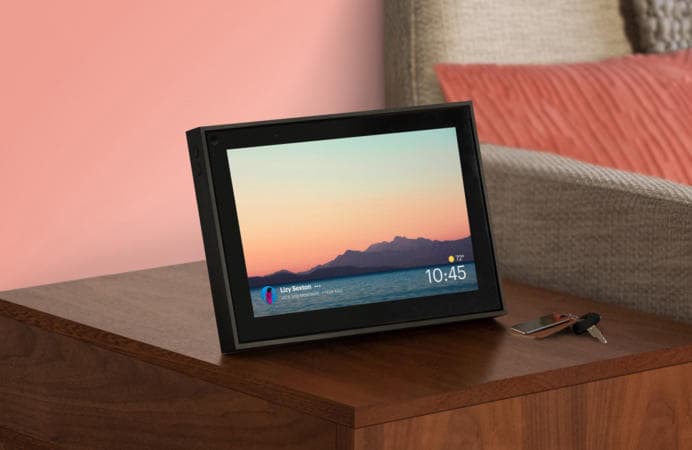
I’ve been using the Amazon Echo Show in my home for roughly the last six months. My kids love it as they can two-step and cowboy boogie to Blanco Brown anytime they like, so long as it’s not quiet time. It’s great for calling up music and video clips, news and the weather, but with the prevalence and growth of technologies like Apple’s Facetime, it does leave a lot on the table with its video calling features. I can ‘drop in’ (place a video call) to my home and see a live video feed using the Alexa app, but I couldn’t tell you how to place a video call from the Echo show. Does it even have that capability? I could Google it, but the fact that I have to should say it all. This is where Portal by Facebook shines. Whether intentional or not, Facebook appears to be only highlighting the media features Portal supports like Spotify and Amazon Prime on the edges and going hard on the features that allow you to stay connected. Andrew Bosworth, hardware boss at Facebook, said during a recent...
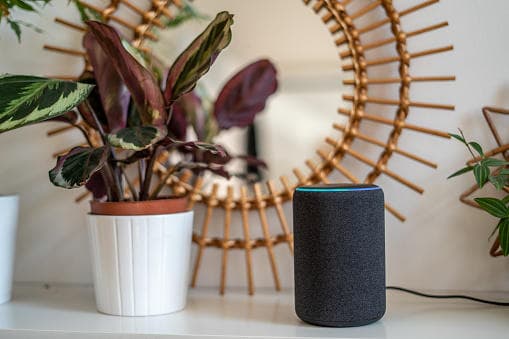
Virtual assistants may be growing in popularity, but a newly released Amazon patent reveals the privacy concerns surrounding them. All virtual assistants have a “wakeword” that tells the device to start listening. Some companies use phrases, like Apple’s “Hey Siri,” but Amazon opted for the simple “Alexa” when developing its system. An Amazon patent application filed in January and released this week has proposed that the wakeword shouldn’t exist. Instead, Alexa should listen to and record everything said in its presence. The authors argued that users may not always structure a spoken command so that the device picks up on it. For example, instead of saying “Alexa, play some music” someone may say, “play some music Alexa” or “play some music Alexa, the Beatles please.” If the wakeword isn’t said first, then Alexa isn’t turned on to actually hear and respond to the full command. The authors go on to say: “The [proposed] system is configured to capture speech that precedes and/or...
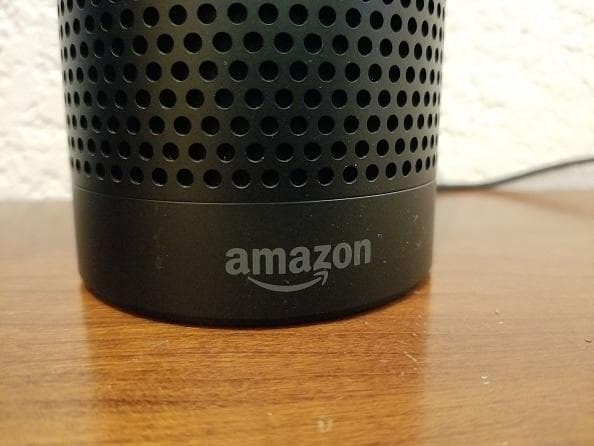
Amazon’s Alexa seems to have become a privacy nightmare. Last month, a Bloomberg report revealed Amazon workers are listening to what you tell Alexa. Now, Bloomberg is back with another, more chilling update. According to a new report , Amazon’s Alexa team can access users’ home addresses. Employees told the outlet that team members with access to users’ geographic coordinates can “easily” put them into any map software and find exactly where people live. There haven’t been any cases of people abusing this power or information, but it’s still a feature that gives employees “unnecessarily broad access to customer data.” Amazon doesn’t deny Bloomberg’s recent report. A spokesperson told Gizmodo: “Access to internal tools is highly controlled, and is only granted to a limited number of employees who require these tools to train and improve the service by processing an extremely small sample of interactions. Our policies strictly prohibit employee access or use of customer data for any...