All results








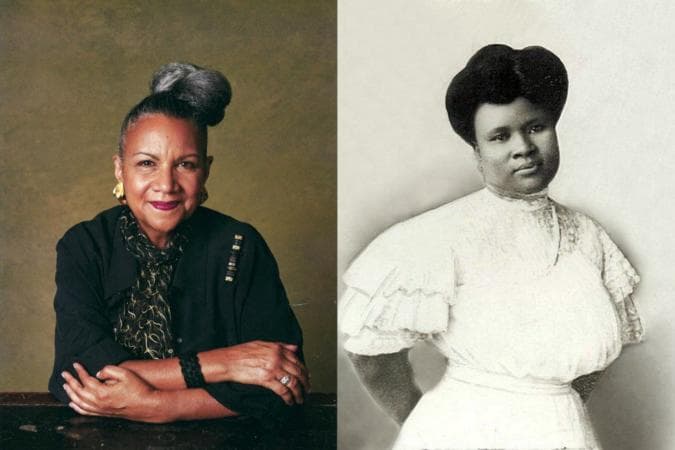
We are overcoming decades of erasure of who we really are in telling our history. As the descendant of two pioneers in Black history, A’Lelia Bundles says that she is honored to be the one to share the history of her great-great-grandmother Madam C.J. Walker. “She is one of literally thousands of amazing people whose stories we need to hear,” said Bundles of her great-great-grandmother, Madam C.J. Walker — the first Black woman to become a millionaire in America. For years the history books in school have led people to believe that Madam C.J. Walker invented the hot comb. However, thanks to women like Bundles who are committed to sharing the facts, we learn that her story was much much more. Photo Credit: Courtesy of A’Lelia Bundles “By the time that she died at 51-years-old, she was a millionaire who had become a pioneer of the modern hair care industry, employed thousands of women, and used her money and influence as a philanthropist, a patron of the arts, and a political...
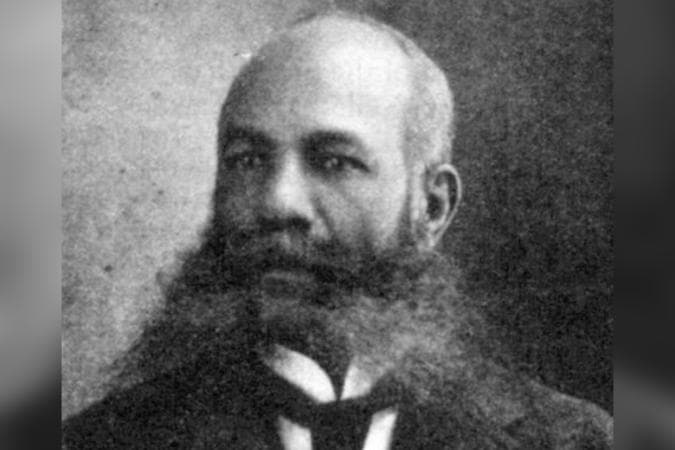
Initially, elevators were manual. The doors had to be opened and closed by passengers or elevator operators, a feature that came with a number of associated safety risks. The elevators we use today have automatic doors thanks to Alexander Miles, an African American inventor who received a patent for his invention in 1887, according to BlackPast. Alexander Miles was born in 1838 in Duluth, Minnesota. Before his work on elevator door mechanisms, Alexander Miles found success as a barber and real estate developer. With a $500,000 net worth, he was recognized as the wealthiest Black man in Minnesota in the local Minneapolis paper Star Tribune — opening a real estate office, building a brownstone, formulating hair products, and becoming the first Black member of Duluth Chamber of Commerce. The ups and downs of business is what led to Alexander Miles’ most notable accomplishment. Inspired by an elevator ride with his daughter in which the doors remained open as the car traveled through...
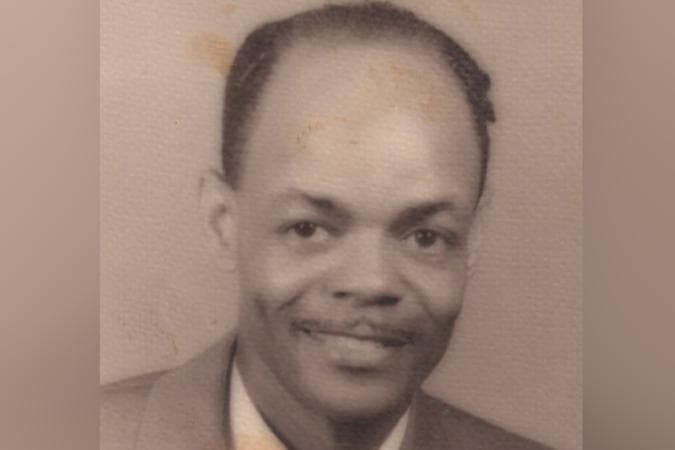
Many people in medtech credit inventor Earl E. Bakken as the creator of pacemakers and cardiac rhythm devices, but without the technology innovated by American inventor Otis Boykin those inventions would fail to exist today. Otis Frank Boykin, a Dallas native and electronic inventor, is the individual responsible for inventing the wire precision resistor — a type of technology that “enabled manufacturers to accurately designate a value of resistance for an individual piece of wire in electronic equipment,” Black Past reports. Before pursuing a life-long career as an inventor, Boykin attended Fisk University in Nashville, Tennessee where he graduated from in 1941, Black Inventor notes. He later took a job as a laboratory assistant with the Majestic Radio and TV Corporation in Chicago, Illinois and left shortly after to start his own company, Boykin-Fruth Inc. At the same time, he also decided to go back to school and pursue his graduate studies at the Illinois Institute of...