All results


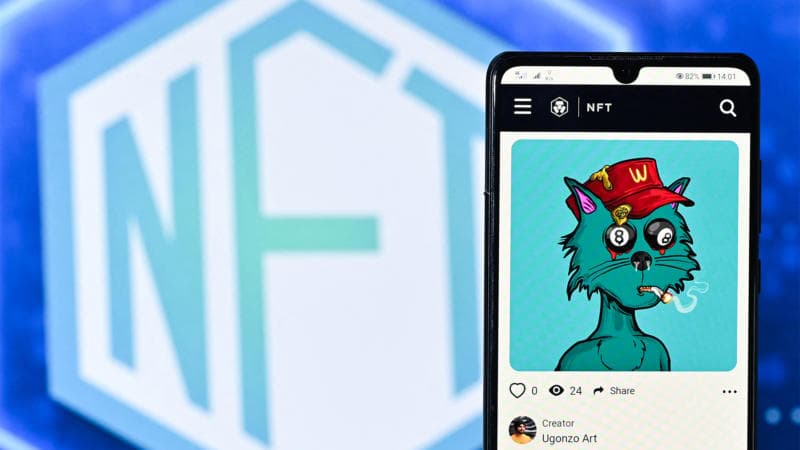
Non-fungible tokens (NFTs) have taken the world by storm over the past year and continue to be a driving force across all industries. However, people are still scratching their heads, puzzled, wondering what exactly is an NFT. Black Tech Green Money’s Will Lucas aims to give some answers to the lingering questions behind the latest crypto craze during an episode of the podcast. Lucas compares the moment behind the NFT craze to that of when the Internet was first introduced to the world. While it has seemingly changed our lives for the better, there weren’t always people on board who understood the newfound concept — yet here we are. “The truth is we are in a moment, and by that moment what I mean is that some years ago when the Internet was really in its upward trajectory that [caused] people to leave things like the AOL CDs that would come in the mail and starting to use more things that were Internet-driven like web-based browsers and things like Google, Yahoo, etc.,” shared...






Thanks to poor federal regulations, it’s up to each individual state to protect their residents’ data. Recently, Maine’s State Senate passed a landmark bill that will look out for people’s internet privacy. Your internet service providers (ISPs) have a lot more information on you than you might think. Your internet history (including the sites you visit, how often, location data, etc.) can tell a lot about you as an individual. Maine’s new bill — LD 946 —now requires that ISPs get people’s consent before selling or offering access to their private data. In a blog post , the American Civil Liberties Union (ACLU) Maine noted: “The personal information ISPs collect and sell is increasingly being used by advertisers to discriminate against certain communities. Advertisers and data brokers are increasingly using data to decide what prices to advertise to someone, the content they should steer them to, and even the types of loans to offer them.” Although this bill is important, it’s not...

Big tech companies have the potential to greatly change a city’s landscape — for better or for worse. Recently, Google announced it will be paying the Louisville Metro Government (LMG) millions to repair roads after a failed Fiber experiment. Back in February , Google’s parent company — Alphabet — revealed it would end its attempts to roll out its internet services across Louisville. In a blog post , the Fiber team said, “We’ll work with our customers and partners to minimize disruption, and we’re committed to doing right by the community, which welcomed us as we tested methods of delivering high-speed internet in new and different ways.” In this case, “doing right by the community” looks like paying out $3.84 million over 20 months. According to a press release from the the City of Louisville, money will go towards removing fiber cables and sealant from roads, milling and paving activities, and removal of above-ground infrastructure. “This plan provides for the long-term protection...