All results
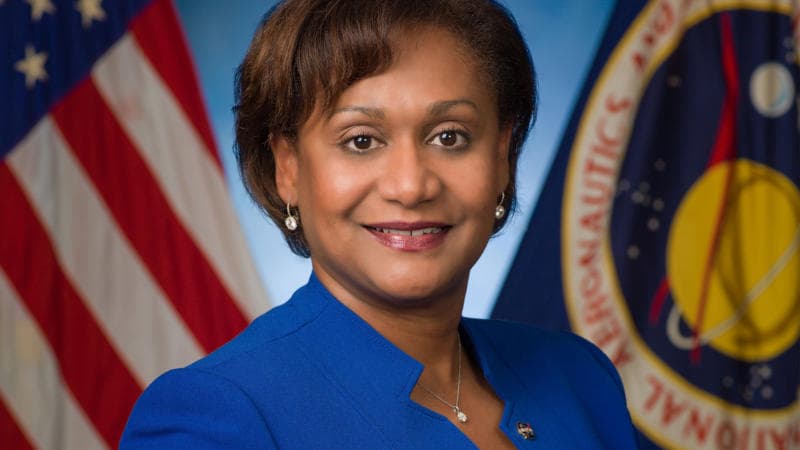
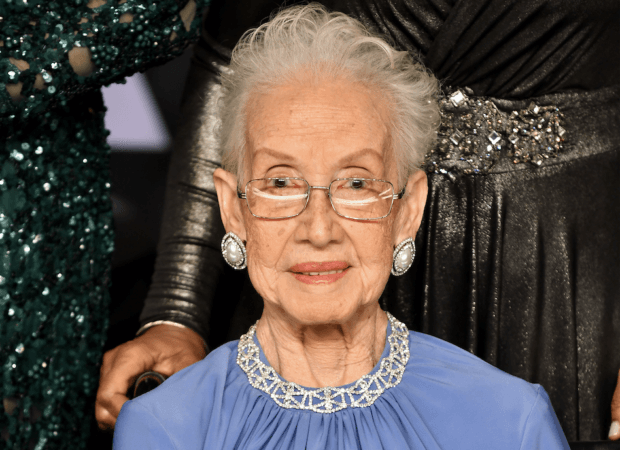
For years, women have been left out of the conversation when it comes to the field of engineering, but these Black women have reshaped the industry like never before. According to a study by the National Society of Black Engineers, “African American women, in particular, are pursuing engineering degrees three times less often than their male counterparts (Slaughter et al, 2015).” Despite the challenges faced, these women have paved and continue to pave the way for Black women to see themselves within the field of engineering. Katherine Johnson Photo Credit: Twitter / @NASA This hidden figure was handpicked as one of the three Black students to integrate West Virginia University’s graduate schools in 1939. Later in her career, she went on to calculate the trajectory that helped the first Americans reach the moon as a NASA research mathematician. Dr. Donna Auguste Twitter / @iamCatoAmir In the early 1980s, Dr. Donna Auguste became a lead software engineer at Apple Computers. Here she...
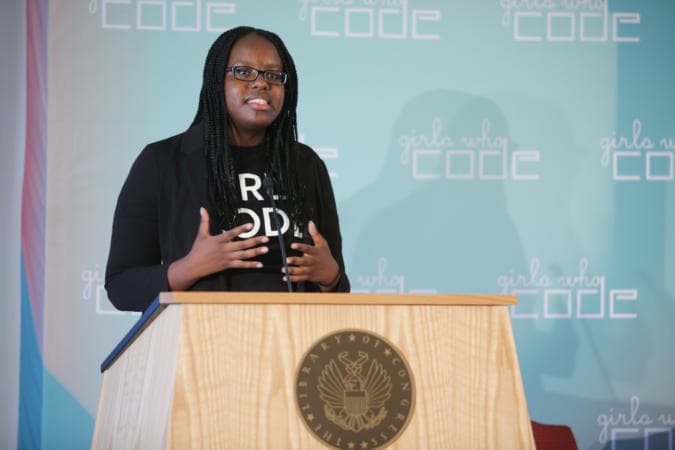
“I care a lot about preparing things for the future, but at the same time I honor those who’ve come before me and recognize the sacrifices that they made.” KaYesu Machayo, 21, didn’t necessarily set out to pursue a career in STEM, but attributes her interest in the field to those who paved the way like Katherine Johnson — the hidden figure responsible for not only putting an astronaut into orbit around Earth, but helping to put a man on the moon too. Machayo is a daughter of the generation that Johnson made leaps for. As a Girls Who Code, alum, Machayo has an interest in using technology not only for social good, but to also close the gender gap and create things that make the world a more equitable place. Girls Who Code is a national non-profit organization working to close the gender gap in technology by using their programs to educate, equip and inspire girls like Machayo with the computing skills they’ll need to pursue 21st-century opportunities. These are the opportunities that...
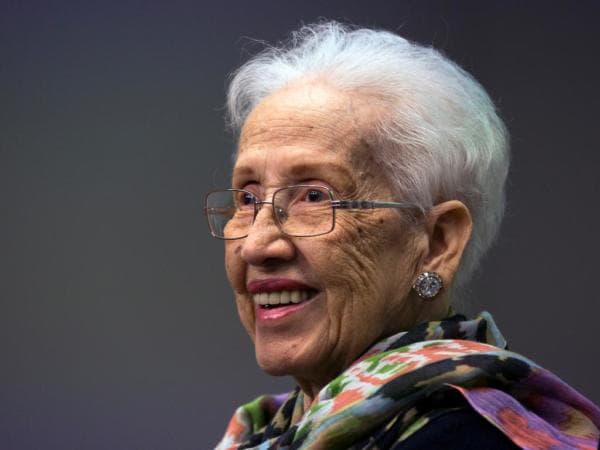
NASA mathematician, Katherine Johnson, has passed away at 101-years-old. Johnson was a Black mathematician who calculated the flight path for NASA’s first space mission and the first moon landing. The details of her accomplishments were highlighted in the 2017 box office hit, “Hidden Figures.” As an African American aerospace pioneer, Johnson was a trailblazer for racial equity and an advocate for STEM education. Born in 1918 — in White Sulfur Springs, West Virginia — Johnson defied the odds and went on to graduate from West Virginia State College with highest honors in 1937. She then went on to work at what is now known as NASA’s Langley Research Center in Hampton, Virginia. In the midst of racial and gender oppression, Johnson didn’t let discrimination stop her from achieving her dreams of becoming a research mathematician. “I didn’t have time for that… don’t have a feeling of inferiority. Never had. I’m as good as anybody, but no better,” she said in a NASA press release. In...
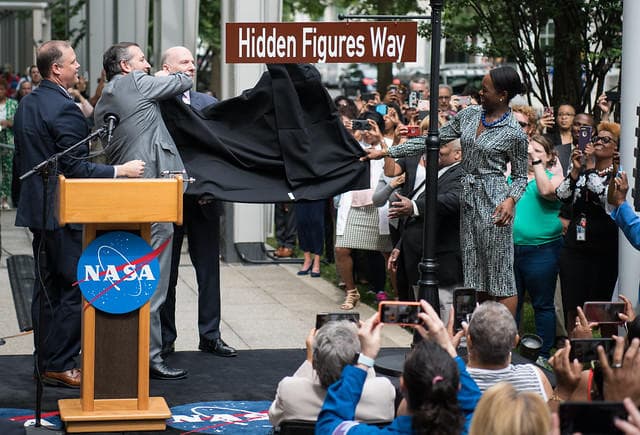
It’s been three years since “Hidden Figures” hit theaters celebrating the lives and legacies of three African American women who put a man into space. Now, NASA is honoring those same women with a street in front of its national headquarters in Washington, D.C. Katherine Johnson, Dorothy Vaughan, and Mary Jackson will live on through the newly named, “Hidden Figures Way,” which will replace E Street Southwest. Today, the street in front of @NASA HQ in D.C. is being renamed "Hidden Figures Way" in honor of Katherine Johnson, Dorothy Vaughan & Mary Jackson. Tune in to NASA TV at 1pm EDT for a special @airandspace "STEM in 30" commemorating these amazing women! https://t.co/FIo6IjfZLx pic.twitter.com/4enPbWQvjJ — NASA STEM (@NASASTEM) June 12, 2019 Each of the women served integral roles in helping NASA. Johnson worked for NASA for over 30 years. She’s most well known for her role in the orbital mission that sent John Glenn to space. Johnson, a brilliant mathematician, checked the work...