All results




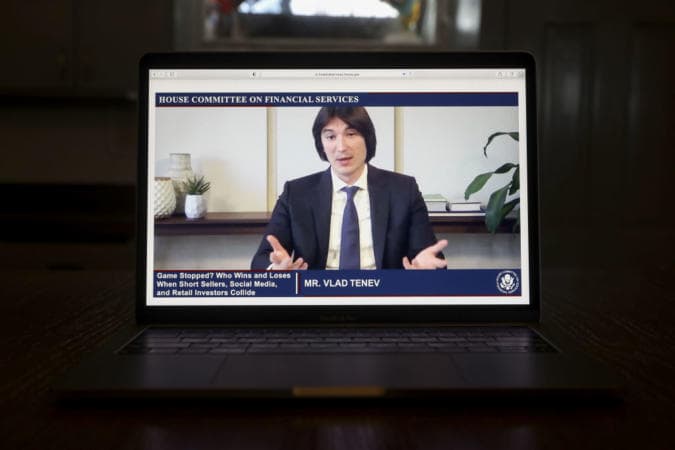
“Just answer yes or no,” California Rep. Maxine Waters repeatedly said in a recent hearing, “I’m reclaiming my time.” This was Waters’ mood the entire time she questioned Robinhood CEO Vlad Tenev during the “Game Stopped? Who Wins and Loses When Short Sellers, Social Media, and Retail Investors Collide,” virtual hearing on Thursday, Feb. 18. Tenev and a group of other CEOs and financial experts were called to testify before the U.S. House Committee on Financial Services following the events of the stock market frenzy on Jan. 25. That frenzy came after the Reddit group of young day-to-day traders called WallStreetBets caught wind of hedge fund short sellers in GameStop last month. When WallStreetBets shared its findings on Reddit, retail investors began grabbing GameStop stock up, driving its share price through the rough, and ultimately costing some hedge funds millions of dollars. Check out what Black millennials had to say about this debacle. Despite this being absolutely legal,...
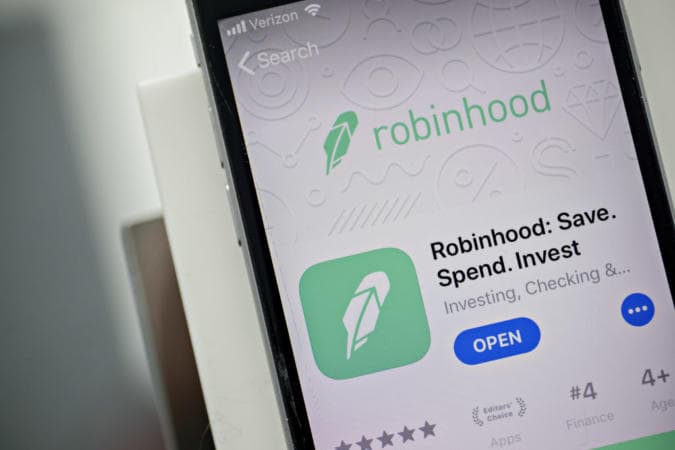
Free-trading app Robinhood has been under fire for over a week now after it halted purchases of GameStop stock last week. Though the creators behind the app pride themselves on making a platform for “investing for everyone,” Robinhood brings in a big community of Black millennial investors that may take their money elsewhere following recent antics. As a quick refresher, a group of young day-to-day traders called WallStreetBets caught wind of hedge fund short sellers in GameStop last month. WallStreetsBetts shared its findings on Reddit and ultimately promoted young investors in its group to invest in GameStop stock, driving the share price up by 134% at one point, CNN reports. This uptick in GameStop’s stock price costs those hedge funds up to $70 billion in losses , according to Reuters. As a response to this frenzy with GameStop, Robinhood temporarily halted purchases of GameStop stock and a list of other stock on its app last week to manage the risk of a stock market crash. As a...


Teaching kids about investing is a great way to encourage life-long money management and wealth-building habits. But given how complicated investing can be, how do you get started? Well, forget about all the complex technical jargon (for now). Instead, help them identify brands they like, explain briefly what stock ownership is, and then buy a couple of shares of the companies behind those brands for them. Periodically show them how those stocks are performing and what the different financial statements mean. Leverage their excitement for the brands and products they like to teach them about stock investing! Get started by talking with them about the companies behind the brands they love: Entertainment and Gaming Companies If your children enjoy Disney, Star Wars, or Marvel movies and toys, buy a share or two of Disney stock (DIS). You can also choose from popular toy companies like Mattel (MAT) and Hasbro (HAS). Mattel’s toys include Barbie, Matchbox, Fisher Price, and Thomas &...


The legendary investor Warren Buffet has long shared that he only invests in companies he understands. For that reason, he’s long avoided tech stocks. However, since Buffet began investing, many technology firms have developed products that are part of our everyday lives. Growing up in the digital era, we understand how some of these companies make their money, and we can effectively assess their prospects. You should definitely invest in companies you understand. Chances are you’re more than familiar with at least a few of the following companies: Google (GOOGL) A company so ubiquitous it’s become a verb, Google is the world’s pre-eminent search engine. The firm makes most of its money through its extensive advertising platform. However, computing products like Chromebooks and SaaS products also contribute to its revenue. Overall, the firm is flush with cash, with a minimal amount of debt. Facebook (FB) The world’s biggest social media platform, Facebook’s sprawling reach has...